THE NITROGEN DILEMMA

— 01
The Building Block of Life
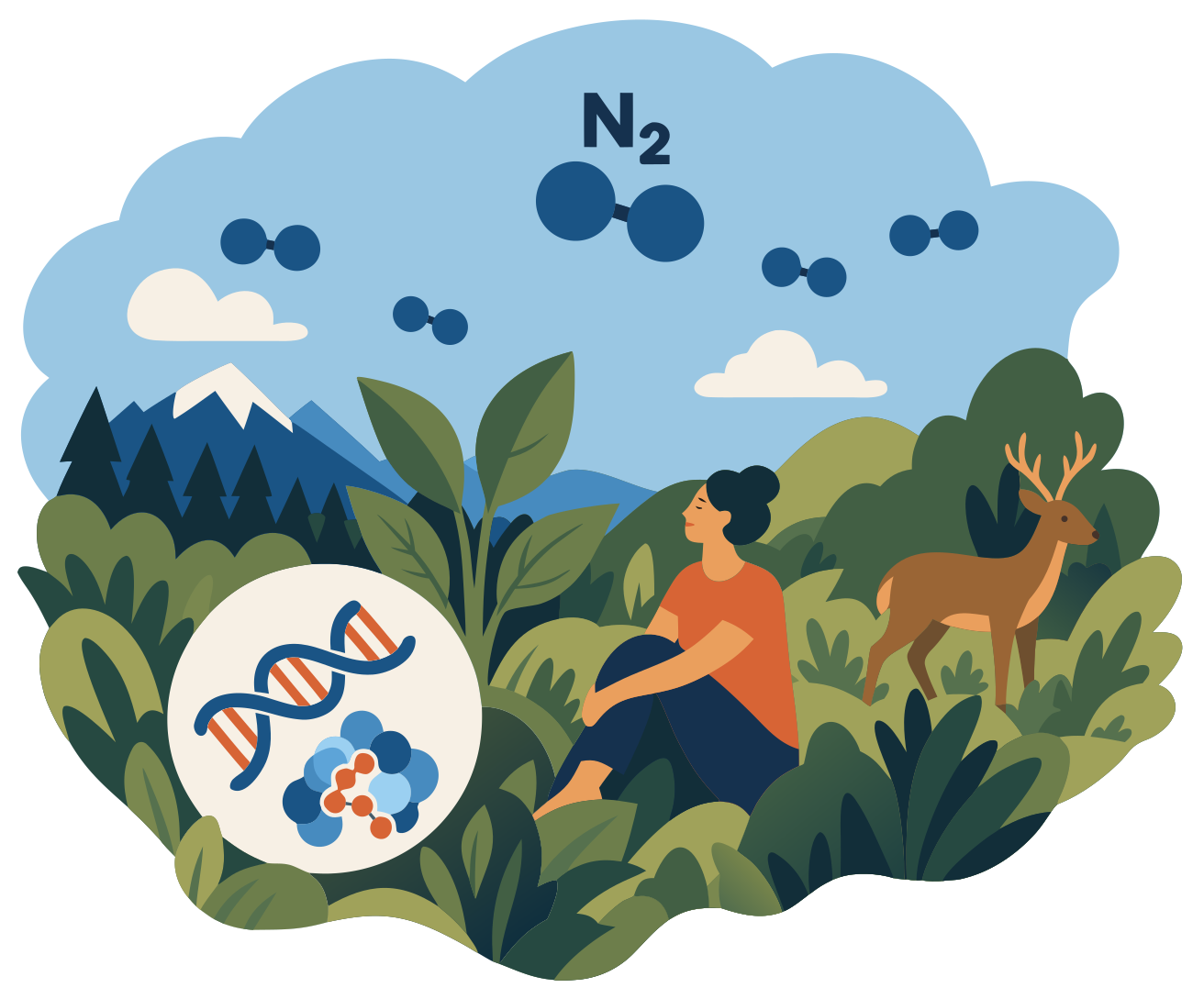
Nitrogen makes up around 78 percent of our atmosphere and is a fundamental building block of all life. It sits in every cell of our body — in DNA, in proteins, in enzymes.
But the nitrogen in the air exists as N₂ — molecular nitrogen. This form is unreactive, and plants, animals and humans can’t use it directly.
Before nitrogen can support life, it first has to become reactive.

Locked in the air
Most organisms cannot use atmospheric N₂ directly

A building block of life
Essential for DNA, proteins and enzymes

Cycles through ecosystems
Moving between air, soil, water and living organisms

Essential for all life
Plants, animals and humans depend on nitrogen
— 02
In Balance
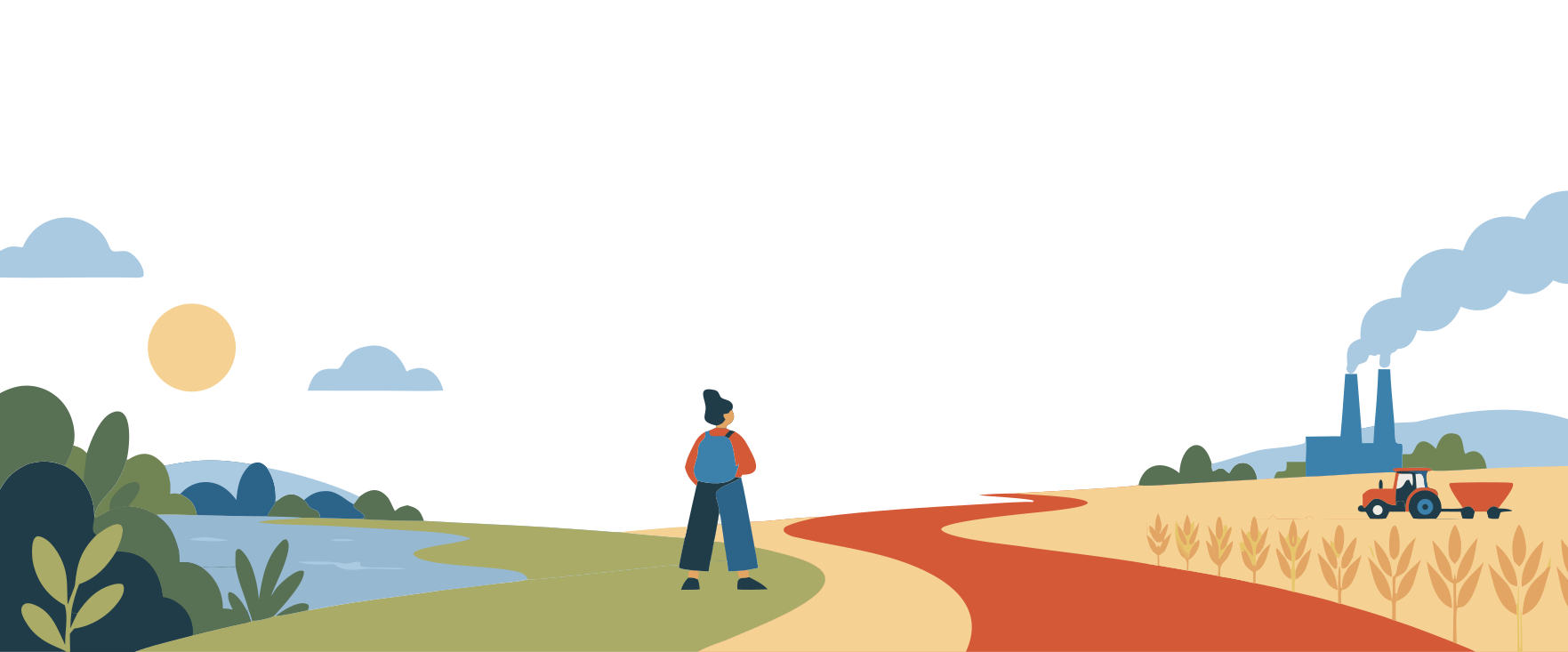
For millions of years, soil microbes did this work: nitrogen fixation. They pulled nitrogen from the air and turned it into compounds that plants could take up.
And so a closed loop formed. Nitrogen moved from the soil into plants, from plants into animals and humans — and returned through waste and decay. Whatever the system gave up, it got back.

Atmospheric N₂
Lightning can also fix nitrogen
Nitrogen fixation by microbes
Plants take up nitrogen
Animals and humans consume plants
Waste and decay return nitrogen to the soil
Other bacteria return nitrogen to the atmosphere
— 03
From Field to Laboratory

N₂
↓
NH₃
~10,000 BCE
Early agriculture
from 1000 BCE
Circular farming
from the 19th century
Global fertiliser trade
1909
Ammonia synthesis
from 1913
Mass production
— 04
The Explosion
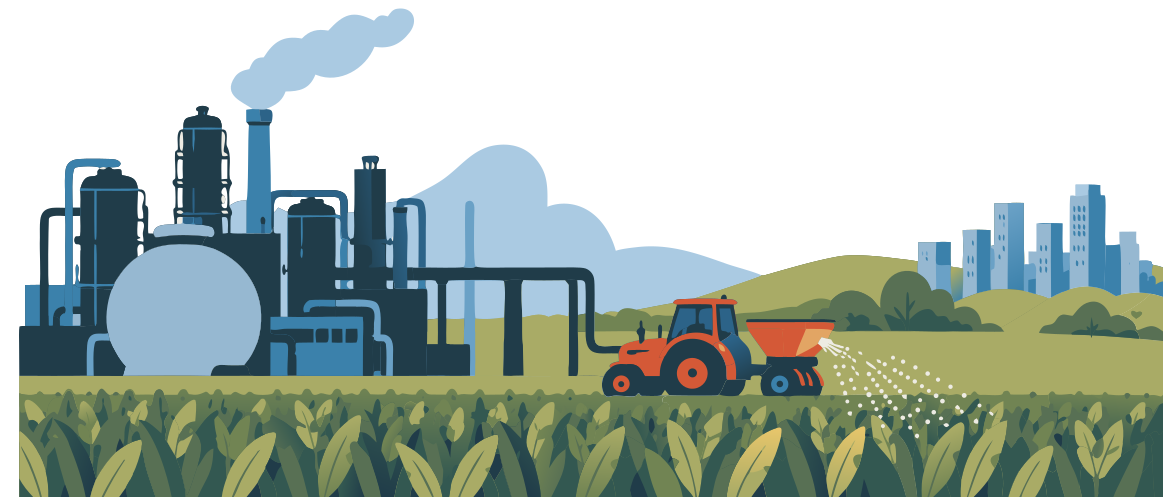
The Haber-Bosch process made nitrogen available in almost limitless amounts. For the first time, farming was no longer bound to natural cycles. Yields climbed, and feeding billions became possible. Nitrogen fertiliser carried the population boom of the 20th century.
World population (millions)
Total human-made reactive nitrogen (Tg)
Ammonia production (Tg)
Biological fixation in agriculture (Tg)
8000
240
6000
180
4000
120
2000
60
0
0
1900
1910
1920
1930
1940
1950
1960
1970
1980
1990
2000
2010
1909 · Haber-Bosch process
— 05
From Scarcity to Surplus
With industrial fertiliser came more nitrogen than plants could ever absorb.
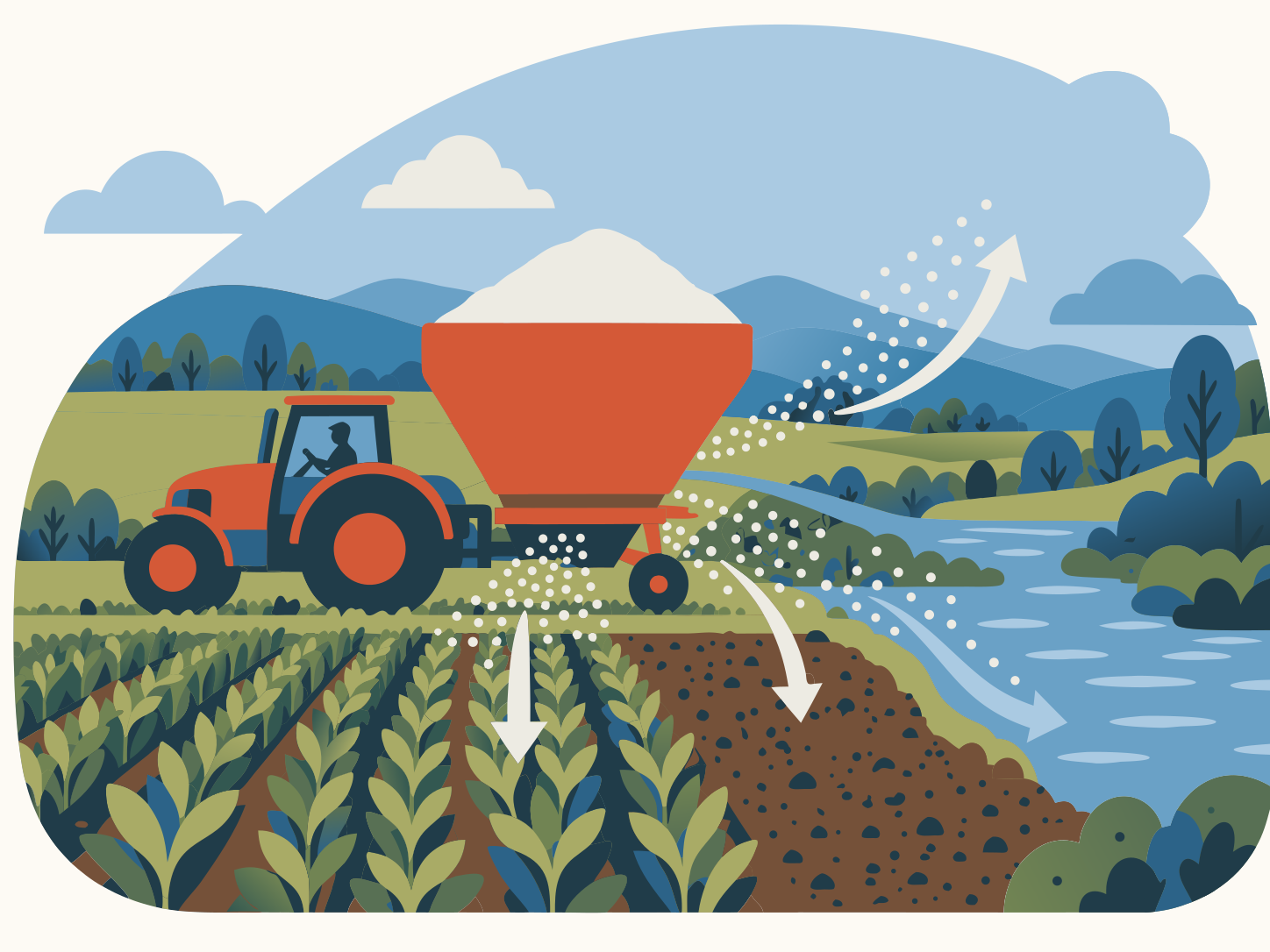
Today, around 120 million tonnes of nitrogen fertiliser are spread across the world’s fields each year. Not all of it reaches the plants. Some remains in soils, some reaches surrounding waters, and some escapes into the air.
The problem we solved became a new one: surplus.
— 06
What Becomes of the Surplus
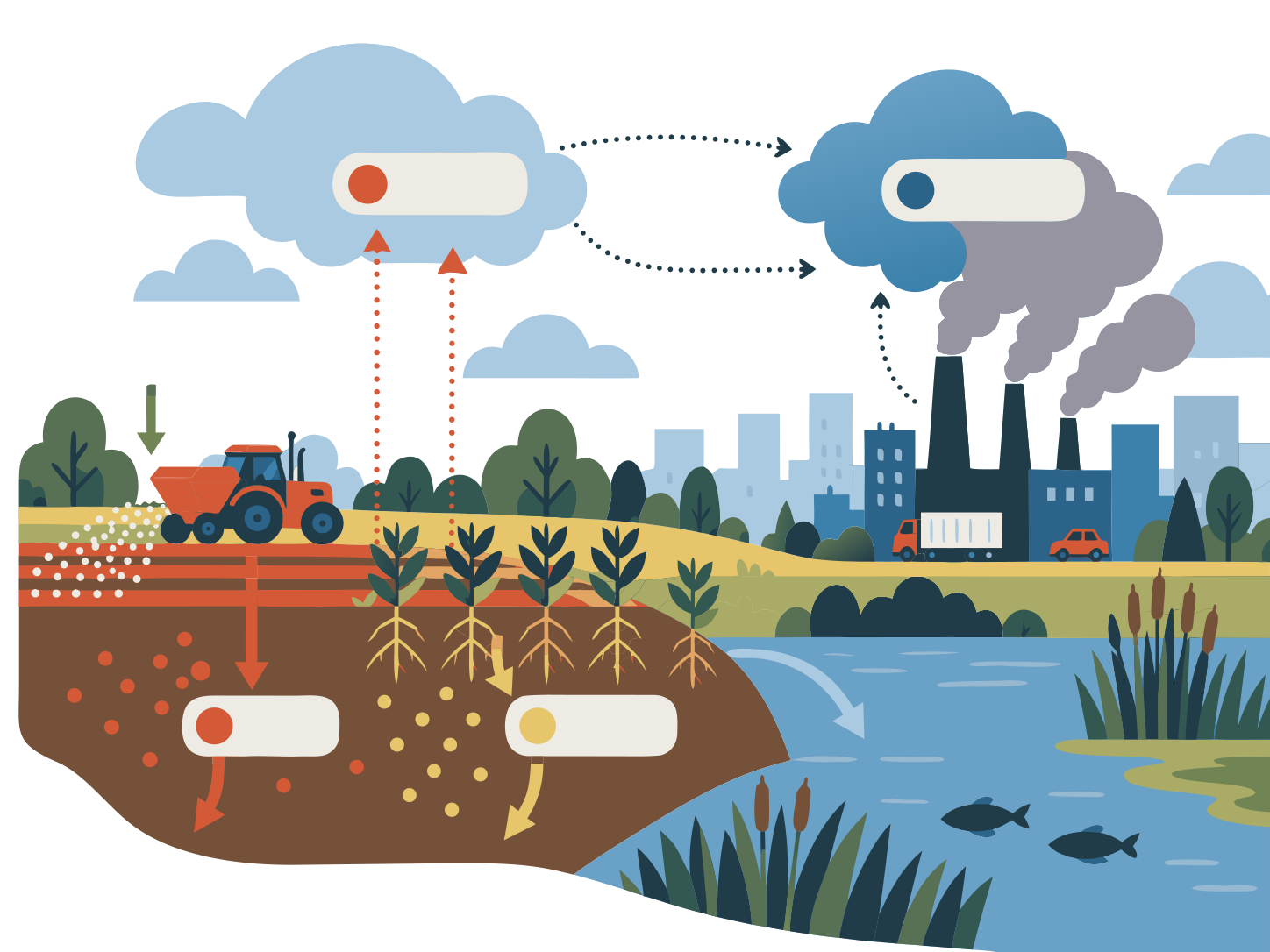
The Haber-Bosch process split stable atmospheric nitrogen apart and made it reactive. Whatever plants don’t take up stays in the system — and readily forms new compounds.
In the soil, nitrate and ammonia form. Microbial processes release nitrous oxide. On top of that come nitrogen oxides from combustion — in power plants, engines, industry. These compounds are volatile, and they spread far.

Air
Nitrous oxide is a 300 times more potent greenhouse gas than CO₂ and depletes the ozone layer. Nitrogen oxides and ammonia form fine particulate matter that damages airways and promotes heart disease.

Water
Nitrate enters groundwater and rivers. Algae overgrow and oxygen levels drop — fish die and ecosystems collapse.

Soil
Over-fertilisation acidifies soils and displaces sensitive plants. Species-rich meadows turn into grass monocultures dominated by nitrogen-loving plants like stinging nettles.
— 07
Beyond the Boundary
The amount of reactive nitrogen entering the environment today is more than natural systems can process.
The nitrogen cycle has long been out of balance. The planetary boundary — the line that marks a safe operating space for our planet — has already been crossed.
SAFE OPERATING SPACE
Natural systems can absorb and recycle reactive nitrogen.
PLANETARY BOUNDARY
Threshold for a safe operating space.
BEYOND THE BOUNDARY
Inputs exceed what Earth’s systems can process.

HEALTHY AND RESILIENT
Ecosystems thrive.
INCREASING STRESS
Ecosystems become less resilient.
DISRUPTED AND DEGRADED
Loss of biodiversity, and growing risks for people and nature.

— 08
An Expensive Bill
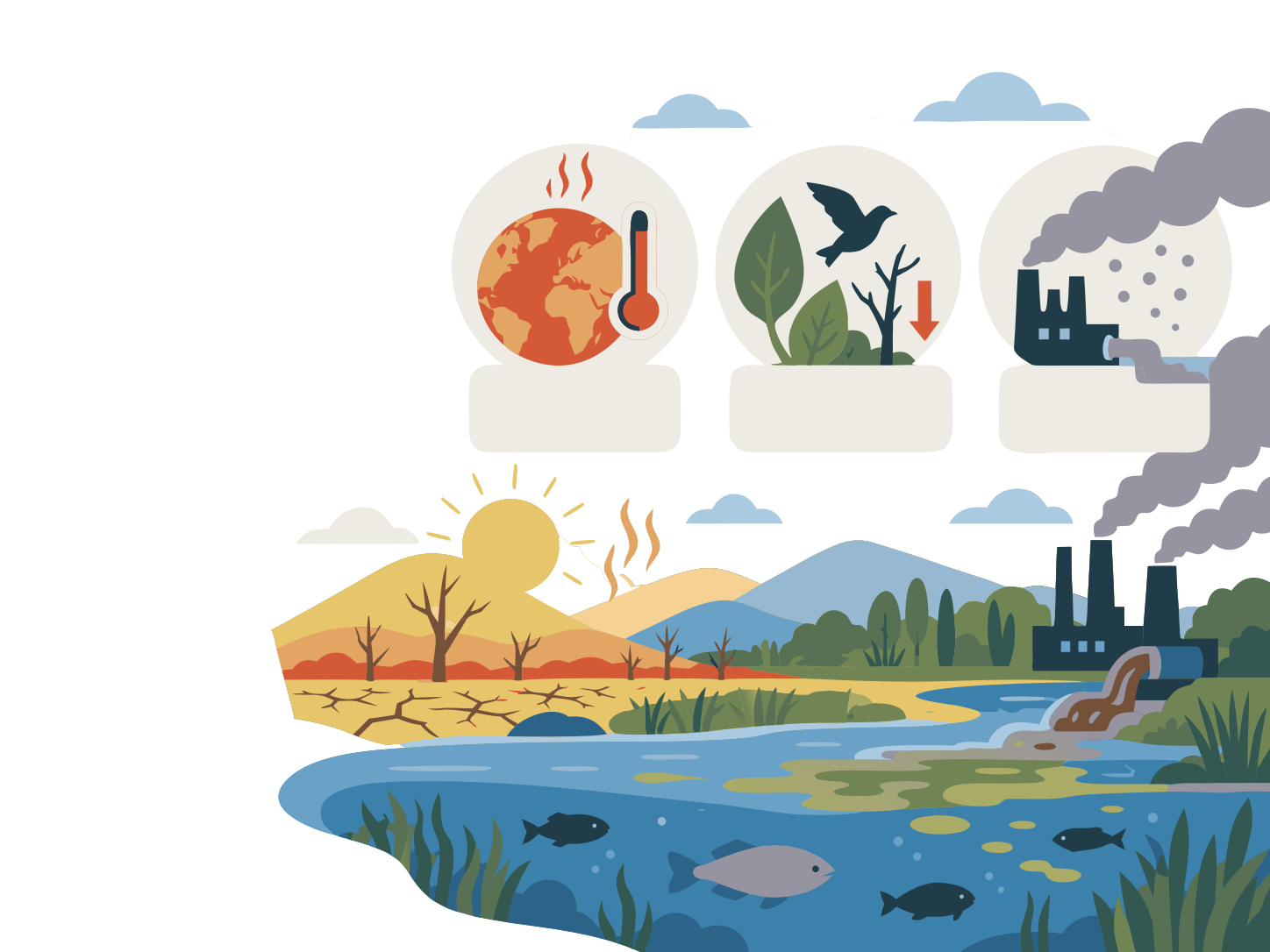
Nitrogen pollution fuels three crises at once: climate change, biodiversity loss and pollution.
It’s a losing proposition economically, too. Every year, roughly 80 percent of the reactive nitrogen we produce is lost to the environment unused — an estimated 200 billion US dollars gone.
— 09
Change at Every Level
Shifting the way we eat takes pressure off the system — but it won’t solve the problem on its own. The responsibility can’t rest on individuals. It takes structural change: farming has to fertilise more efficiently and close its cycles. Policy has to set incentives, rein in surpluses and back sustainable practices. Individual choices help — but course-correcting only works when every level acts at once.

Policy can reduce nitrogen surpluses by setting the right incentives.
- Set clear limits for nitrogen surpluses.
- Fund sustainable practices and remove harmful subsidies.
- Coordinate farming, environmental, climate and health policy.
— 10
Back into Balance
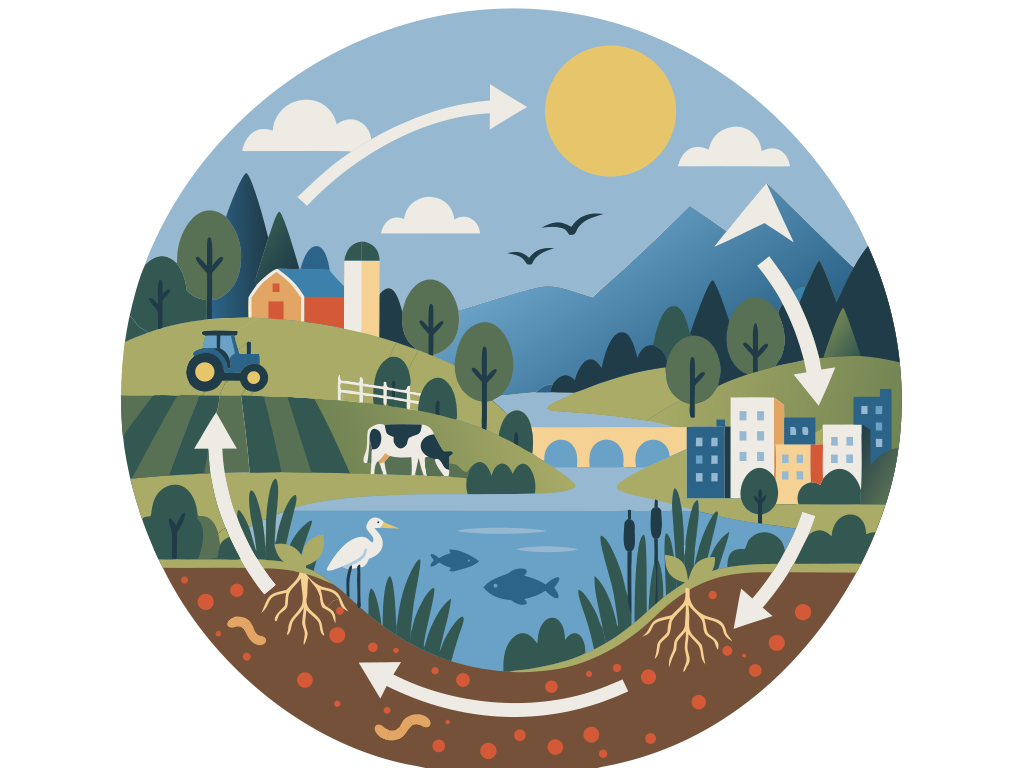
The nitrogen cycle is disrupted — but not beyond repair. More efficient farming, the right policies and structural change can steady it. Less reactive nitrogen would prevent millions of premature deaths, ease the strain on ecosystems and strengthen food security.
Lakes could recover, soils could stay fertile, the air could grow cleaner. The tools exist. The loop can be closed — if we act now.
It’s on us to act now.
The loop can be closed.